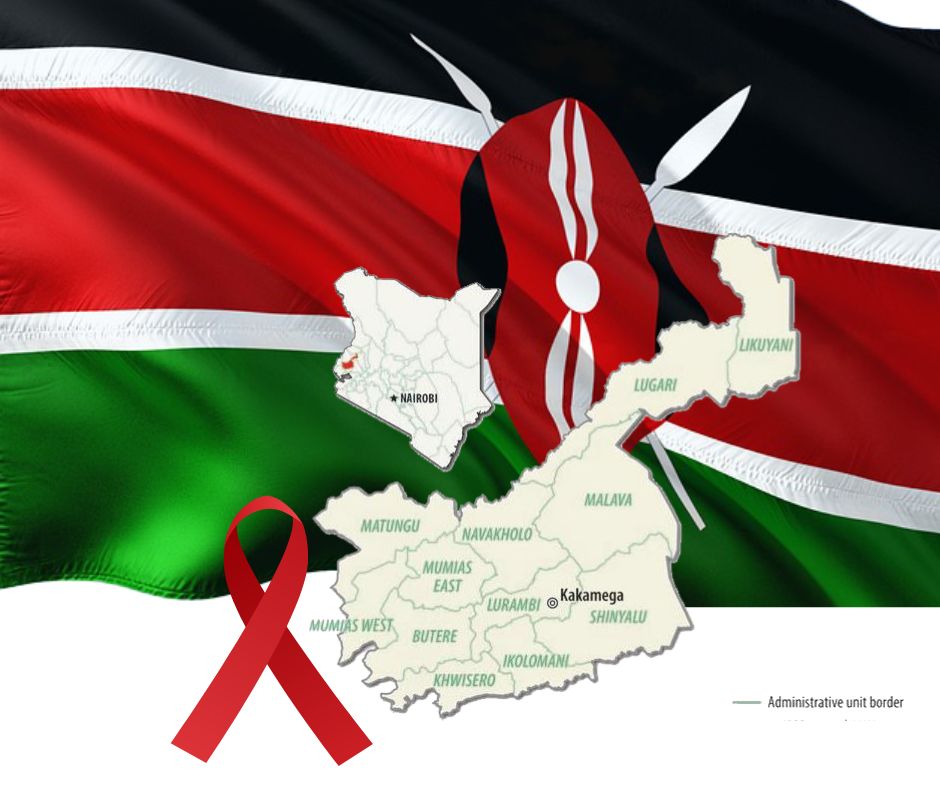
HIV/AIDS program in Lugari district
The construction of a rural medical clinic with its accompanied educational HIV/AIDS program in Lugari district. This project, with a donor support of USD 30,000 (from IRFF-International office), brought a positive change towards rural health care in the district.
LONG DISTANCE ADOPTION PROGRAM
Introduction
The Long Distance Adoption program herein referred to as “Kibwezi Child-Care Program (KCCP)” is one of the major development activities initiated 2007 by IRFF Italy in partnership with the URAFIKI (IRFF)-Kenya NGO, a non-profit organization (locally registered in Kenya as Urafiki Wa Kutoa Misaada ya Kimataifa – Kenya).
The Program location is in Kibwezi Division, Makueni District, Eastern Kenya (see Fg.1.1). The ongoing Long Distance child-care Adoption program is a community-based development activity in Kibwezi division. This program is in support of the current District Development Program (DDP) for 2008-2012 in the larger Makueni district that broadly focuses on poverty reduction.
Statement of the problem
Due to poor infrastructure, poverty, diseases and HIV/AIDS scourge, the number of orphans in the district has increased tremendously. According to a number of surveys recently done in the district, a woman in the productive age (20-49 years) has an average of 4 children. The cumulative diagnosed AIDS cases in the district since 1989 has about 3,000 women with AIDS, some of whom are already dead. According to the District Development Plan (1994-1996) it has been estimated that Kibwezi and Wote divisions had the highest number of AIDS orphans with Kibwezi making up to 63 per cent of the reported cases. Such data gives a justifiable need to initiate an orphans program in Kibwezi division.
Due to this large number of orphans in the district, the traditional coping mechanisms of integrating orphans into extended families will no longer be adequate to meet the orphan’s needs for education, health, clothing and nutrition. The Kibwezi Child-Care Program (KCCP) comes in to meet this community need and intends to inject more resources that will be re-directed towards the support of these orphans.
Program methodology
The details of the nature of support in this program is as follows:
EDUCATION
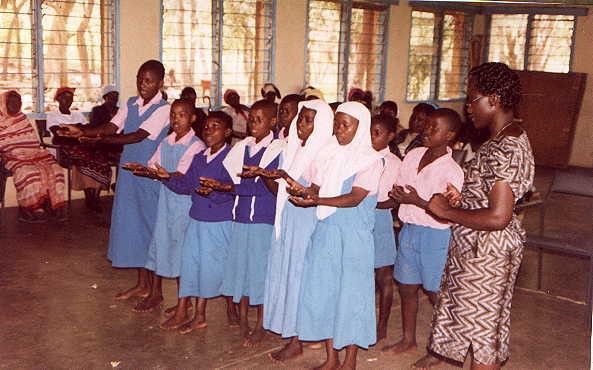
To promote an all rounded well fare of the orphaned children in this program, efforts are made to incorporate education programs for the guardians on topics related to HIV/AIDS awareness, and good management practices this helps the prevention and mitigation of the HIV/ AIDS scourge.
HEALTH
The KCCP works closely with Kibwezi health center as the central point for the children’s medical needs. For those children requiring further medical attention not available at the Kibwezi health facility, the prevailing government referral system applies (example – Makindu sub district hospital, Machakos district hospital and Kenyatta national hospital)
The field program coordinator accompanies the sick child to hospital at all levels. The children’s hospital medical expenditure invoices are settled by at central management committee.
KCCP organizes free Health / medical camps in the program Division at least once in a year. In such camps, KCCP utilizes the opportunity to provide health education to the community at large. During these camp activities, children are examined by volunteer medical personnel lead by the Program Director. At these medical camps, the health needs of the orphaned children are adequately addressed.
FOOD AND CLOTHING
KCCP organizes annual Christmas Party event for the orphaned children. During this event, the children are issued with various gifts in form of cloths, shoes, toys etc. that will come in the form of donations from well-wishers and the community at large.
 English